

What is Osteopathy
What is Osteopathy
-
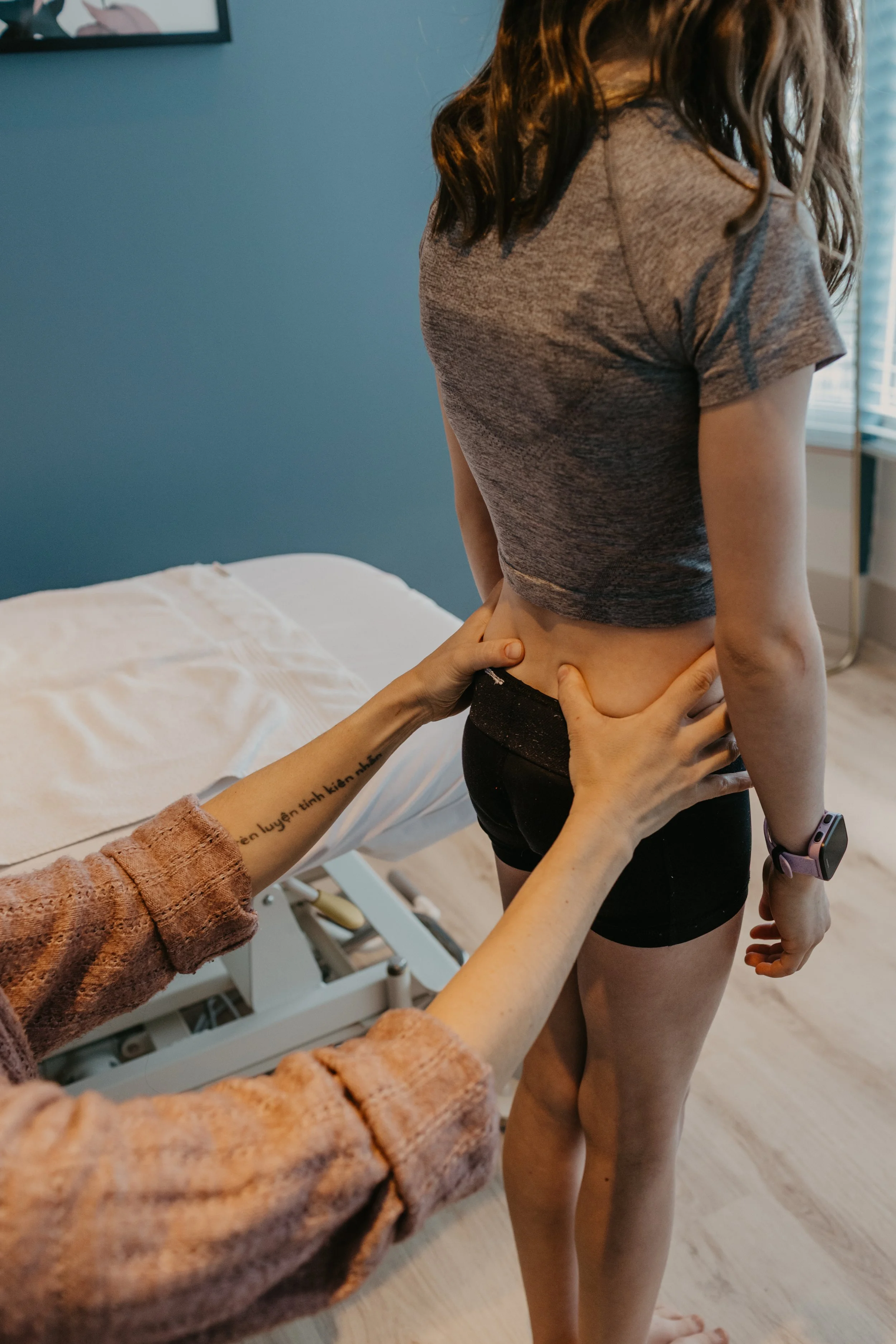
Osteopathy is a manual therapy, that assists the body's own ability to heal itself through light touch, manual manipulation and listening to each individual body. It is a hands on approach to encourage mobility, fluidity and balance within each system of the human body.
The osteopathic practitioner assesses and treats the skeletal, muscular, nervous, vascular, cranial and visceral systems to help restore mobility and overall health for each patient.
-
Osteopathy can address a wide range of conditions, including acute and chronic pain such as back pain, headaches, sports injuries, musculoskeletal disorders, digestive issues, and uro-gynecological pain.
It is also effective in treating concussions, whiplash, surgical scars, stress, as well as emotional and physical trauma, and the general wear and tear of daily life. -
The patient will be assessed in standing, sitting and laying and then treated in accordingly. The treatment is gentle, light and should be comfortable throughout.
Patients can expect to have the therapist place their hands on their back, legs, arms, head, neck, pelvis, ribcage or belly under the verbal consent of the patient. The treatment will stop at any time if consent is removed by the patient.
-
Athletic attire that is comfortable and loose. Denim and tight hugging leggings and shirts are not ideal as they put tension on the tissue in an unnatural way.
Your osteopathic practitioner needs to be able to feel the tissues without conformity. Blankets are provided if the patient runs cold. The osteopathic practitioner will always work with the patients comfort level. You will never be asked to undress to a level you are uncomfortable with.


Upcoming Health Talks
-
White Rock Osteopathy First Anniversary Event
Date to be defined
-
Osteopathy and Visceral Mobilizations
to be defined…
-
Osteopathy and pelvic floor
to be defined…
Chiropractic and Osteopathy
Understanding Two Complementary Approaches
Chiropractic and osteopathy are two well-established forms of manual therapy that help people improve mobility, reduce pain, and support overall well-being. Although they share similarities—both focus on the relationship between structure and function, both work with the musculoskeletal system, and both use hands-on techniques—their approaches, methods, and underlying philosophies differ in meaningful ways.
Osteopathy looks at the body as an integrated whole. Osteopathic practitioners consider how joints, muscles, fascia, fluids, organs, and the nervous system interact. Treatment is highly individualized, often gentle, and aims to restore balance, mobility, and physiological harmony. Techniques include soft-tissue work, myofascial release, mobilizations, cranial approaches, and visceral techniques. Osteopathy is especially appreciated for its adaptability across ages and its attention to the body’s interconnected systems.
Chiropractic, on the other hand, traditionally places emphasis on the spine and its influence on the nervous system. Chiropractors often use specific joint adjustments—sometimes fast and direct—to improve spinal mobility and support neurological function. Many chiropractors also incorporate exercise guidance, rehabilitation, soft-tissue techniques, and lifestyle advice into their care. Their work tends to be more structurally focused, particularly around the vertebral column, pelvis, and related joints.
Both professions aim to empower people on their health journey. Choosing between them depends on personal needs, comfort, and the type of condition being addressed. Many individuals benefit from seeing both types of practitioners at different points, depending on what their body requires. At White Rock Osteopathy, we collaborate with other healthcare providers and support whatever approach best serves each patient’s well-being.
-
No. They simply take different routes toward a similar goal: helping people move better, feel better, and function more efficiently. Many patients use both therapies at different times.
-
Not necessarily. The “best” approach depends on:
your condition
your comfort level
your health goals
how your body responds to each technique
Both professions have strengths, and both help people effectively.
-
Most people describe Osteopathy as gentle, relaxing, and highly personalized. Techniques may be slow, subtle, or deeply releasing, depending on what your body needs.
Chiropractic is often more direct and mechanical. Spinal adjustments may produce a quick sensation of release or improved mobility.
-
Absolutely. Many people alternate between therapies. They can complement each other well when coordinated.
-
Yes. Both osteopathy and chiropractic treat patients of all ages, from newborns to seniors, and also support athletes as well as prenatal and postpartum populations.
Please contact us if you have a specific condition, and we will guide you toward the most appropriate therapy.
WE ARE HIRING
updated in January 2026
Full-Time Osteopathic Practitioner
White Rock Osteopathy is expanding!
We are seeking a full-time osteopathic practitioner to join our collaborative, patient-centered team. We value teamwork, lifelong learning, and a strong commitment to patient care.
The ideal candidate will be passionate about osteopathy, open to feedback and growth, and eager to contribute to a positive and supportive clinic environment.
Applicants must be eligible to work in British Columbia or in the process of obtaining recognition.
If you are looking for a dynamic, respectful workplace where your skills and values are appreciated, we invite you to apply through this link : application.
Space Available for Independent Therapists
White Rock Osteopathy is welcoming independent therapists looking to join a collaborative, patient-centered clinic.
We offer space for :
Registered Massage Therapists (RMTs)
Naturopaths
Our facilities include :
Three fully equipped treatment rooms with professional treatment beds.
One private room designed for comfort and confidentiality.
We value respectful, like-minded professionals who are passionate about patient care and interested in building a thriving practice alongside experienced osteopathic practitioners.
JOIN OUR TEAM
updated in January 2026

